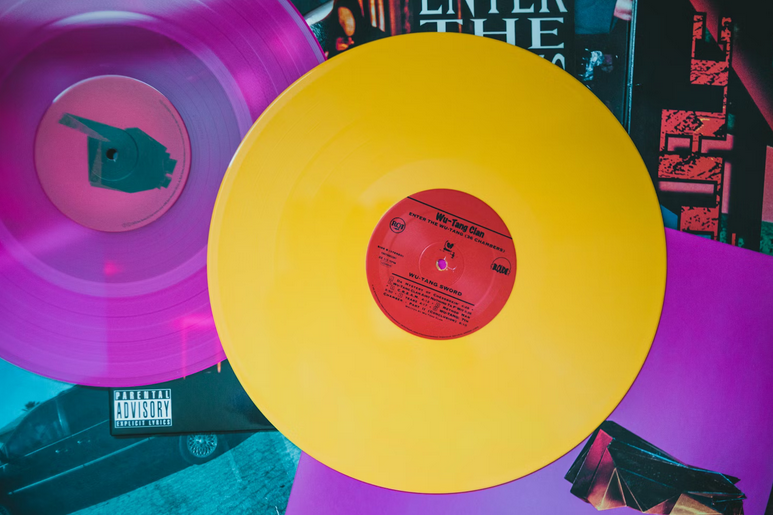
Step back in time with us as we delve into the evolution of pop culture, from the crackling sounds of vinyl records to the digital explosion of viral videos. Join us on a journey through decades of trends, memes, and iconic moments that have shaped our collective consciousness. Get ready to explore how technology, social media, and global connectivity have transformed the landscape of what it means to be “pop culture” in today’s fast-paced world. So grab your headphones and buckle up for a wild ride through the ever-changing face of pop culture.
The Golden Age of Radio

In the early 20th century, radio revolutionized how people consumed entertainment. Families gathered around radios to listen to music, news broadcasts, and serialized dramas like “The War of the Worlds.” Radio personalities became celebrities, shaping public opinion and introducing audiences to new music genres and cultural trends. The radio era laid the foundation for mass media consumption and marked the beginning of pop culture as we know it.
The Rise of Television
The advent of television in the mid-20th century brought visual storytelling and entertainment into living rooms across the world. Shows like “I Love Lucy,” “The Ed Sullivan Show,” and later, “MTV,” not only entertained but also influenced fashion, music trends, and societal norms. Television became a powerful medium for shaping pop culture icons and spreading cultural phenomena, from Beatlemania to the moon landing.
The Birth of the Internet
The internet revolutionized pop culture once again by connecting people from different corners of the globe. With the rise of social media platforms like Facebook, YouTube, and Twitter, individuals can share their creativity and opinions instantly. Viral videos, memes, and online communities emerged, creating new avenues for cultural expression and influence. Celebrities and influencers gained massive followings, shaping trends and influencing consumer behavior in unprecedented ways.
The Era of Social Media

Social media platforms continued to evolve, with each new platform bringing its cultural impact. MySpace introduced personalized profiles and music sharing, while Facebook connected friends and family through status updates and photo sharing. Instagram popularized visual storytelling through photos and short videos, while Snapchat introduced disappearing messages and augmented reality filters. These platforms not only connected people but also gave rise to new forms of digital entertainment and influencer culture.
TikTok
TikTok has taken the world by storm with its short-form videos and viral challenges. Launched in 2016, it quickly became a global phenomenon, attracting users of all ages with its easy-to-use interface and algorithm-driven content discovery. From dance crazes and lip-syncing challenges to DIY tutorials and comedic sketches, TikTok has reshaped how trends spread and how content creators engage with audiences. It has democratized fame and creativity, giving rise to new influencers and cultural touchstones in real time.
Streaming Services
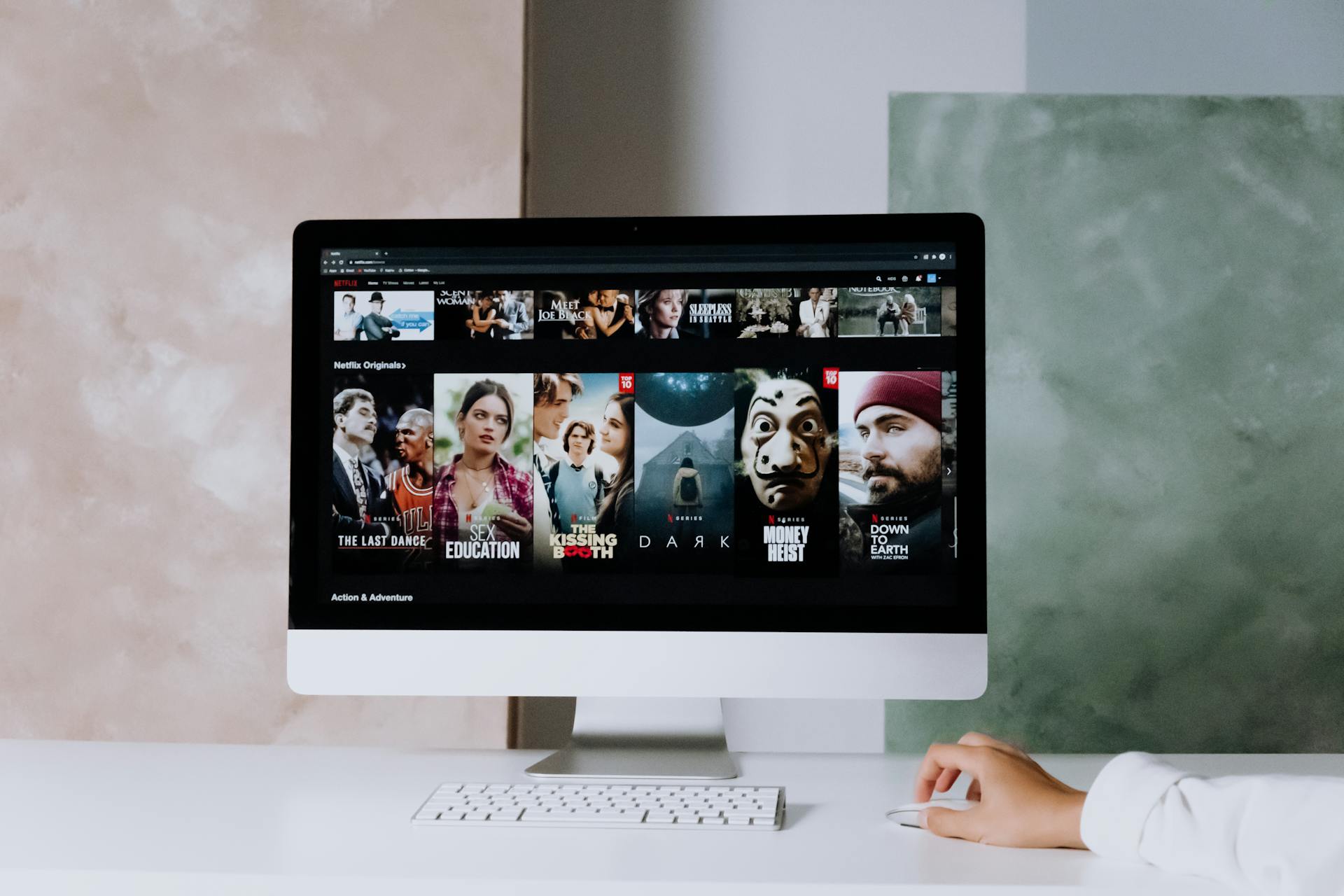
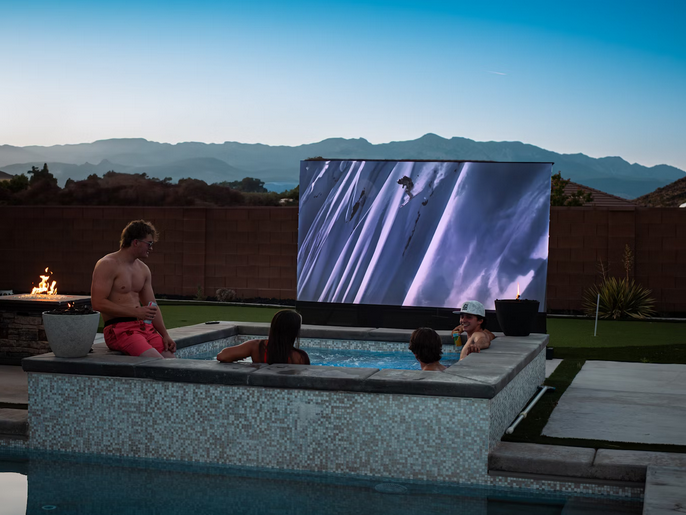
The rise of streaming services like Netflix, Hulu, and Spotify has transformed how we consume entertainment. With on-demand access to movies, TV shows, and music, consumers have more control over what they watch and listen to. Original content produced by streaming platforms has also shaped pop culture, from binge-worthy series to chart-topping music playlists. Streaming has blurred the lines between traditional and digital media, creating new opportunities for content creators and changing audience expectations.
Pop culture has come a long way from its humble beginnings in radio to the dynamic digital landscape of TikTok and streaming services today. Technology continues to drive innovation and shape cultural trends, allowing pop culture to evolve and adapt with the times. Whether it’s through viral videos on TikTok, binge-worthy shows on Netflix, or social media influencers on Instagram, pop culture reflects our ever-changing world and influences how we connect, create, and consume entertainment. As technology continues to advance, so too will the evolution of pop culture, ensuring its enduring relevance in shaping the cultural zeitgeist of tomorrow.